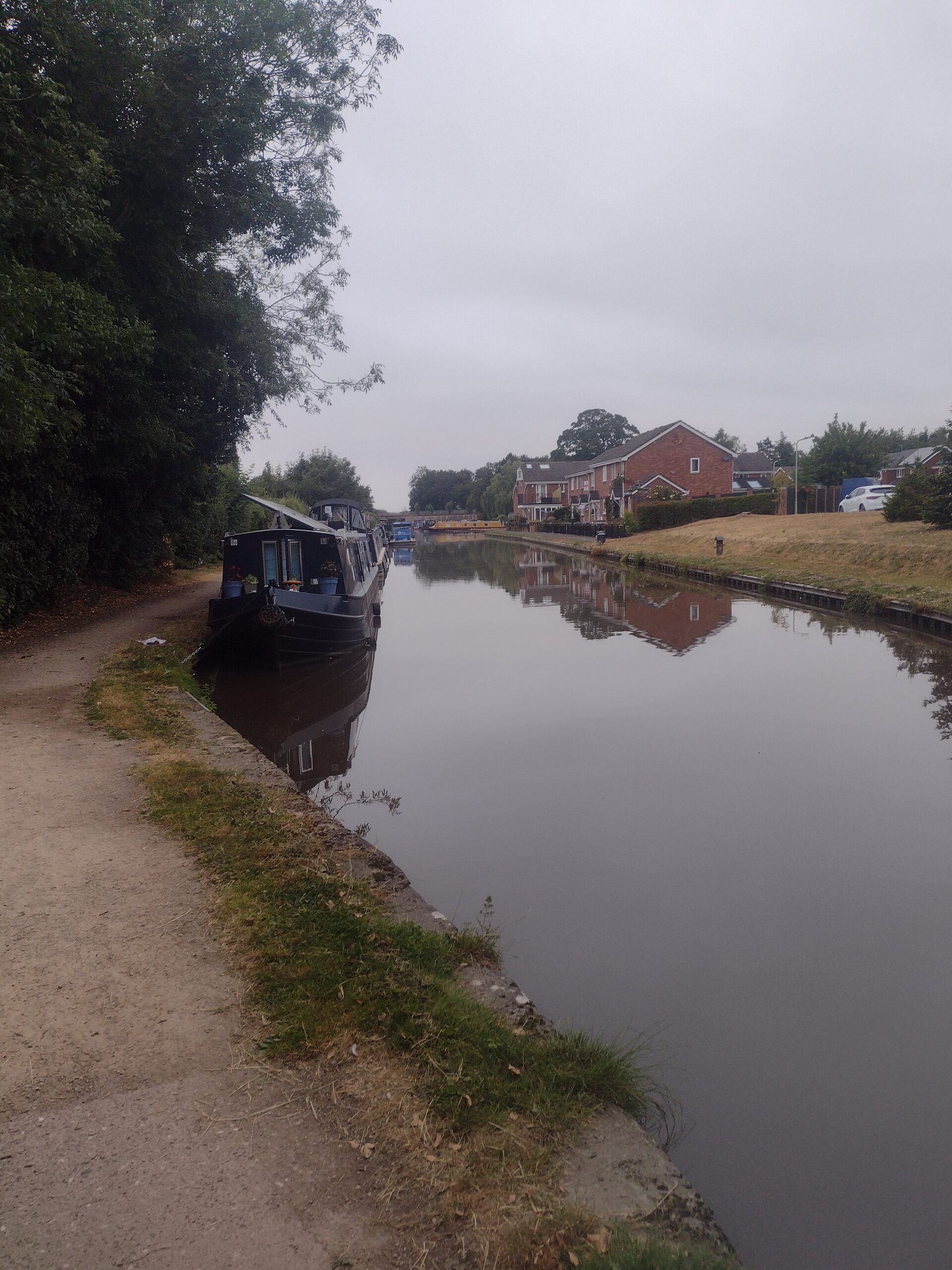
Morning Walk with a Stair Climb: 7.5 km Aerobic Fitness Session
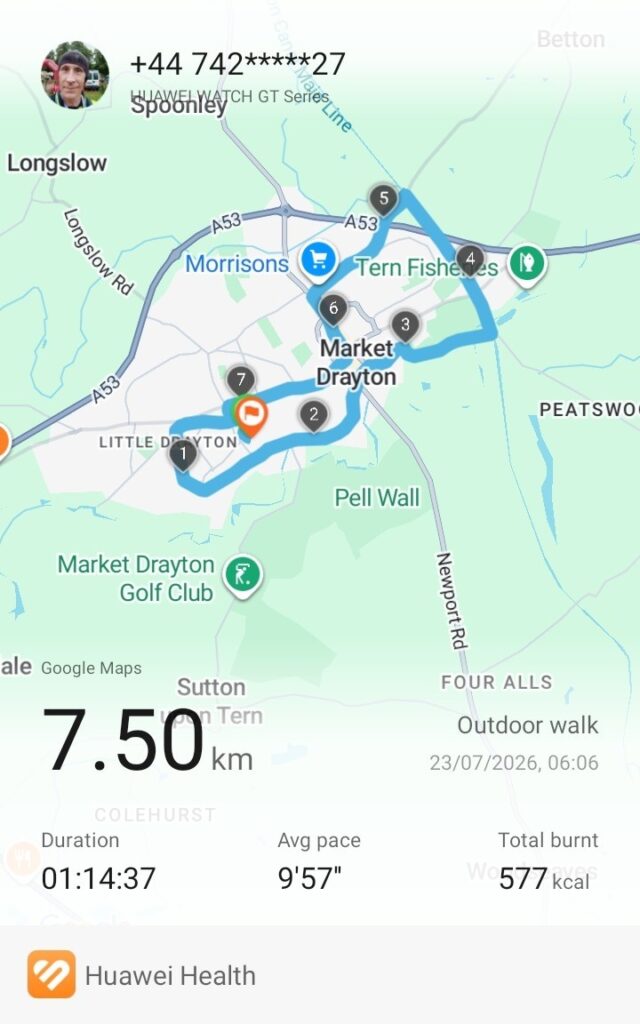
A steady 7.5 km morning walk with an average heart rate of 121 bpm, a brisk pace of 9:57 per kilometre, and a short climb up 40 aqueduct steps that briefly raised the heart rate to 143 bpm.
Morning Walk – 7.5 km with an Aqueduct Stair Climb
I started the day with a steady morning walk, covering 7.5 kilometres in 1 hour, 14 minutes and 37 seconds. The walk maintained a comfortable aerobic pace while including one short burst of higher intensity on the aqueduct steps.
Walk Statistics
- Distance: 7.5 km
- Time: 1:14:37
- Average Pace: 9:57 min/km
- Average Speed: 6.0 km/h
- Average Heart Rate: 121 bpm
- Maximum Heart Rate: 143 bpm
- Calories Burned: 577 kcal
The Aqueduct Steps
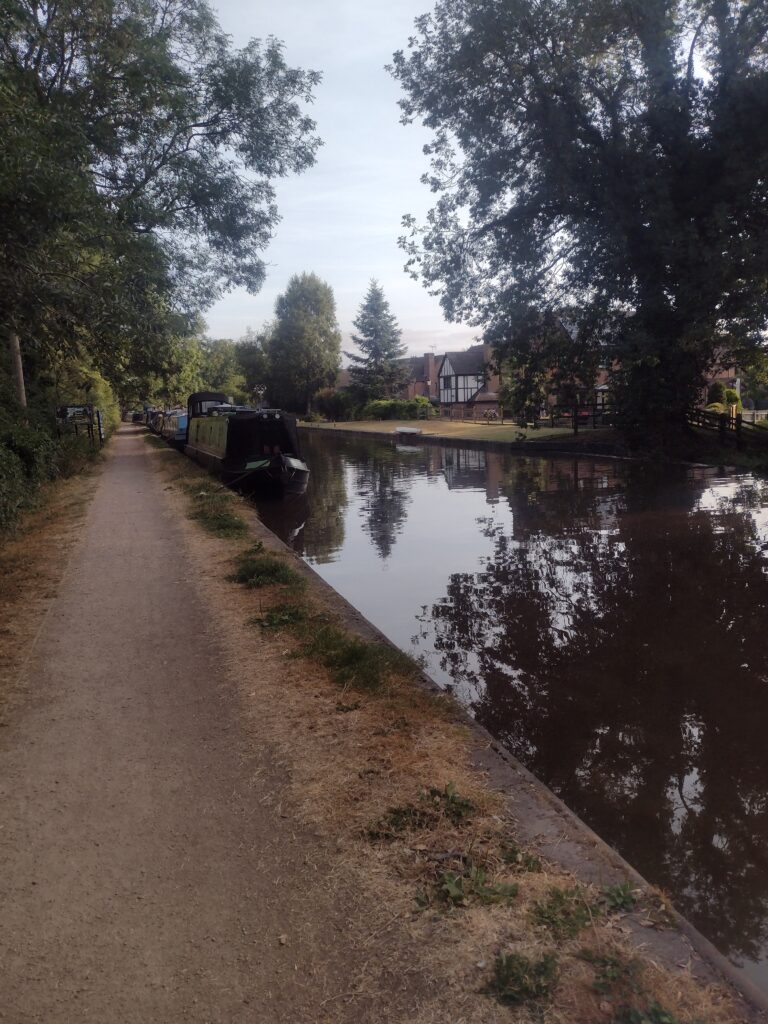
The highest heart rate of 143 bpm came while running up the 40 aqueduct steps. Although it only lasted for a short period, the climb added a useful interval of higher-intensity exercise without changing the overall nature of the walk.
Short stair climbs are an excellent way to improve cardiovascular fitness, increase leg strength, and add variety to a regular walking routine. Because the effort is brief, the body quickly returns to a comfortable aerobic level once the climb is complete.
Aerobic Benefits
An average heart rate of 121 bpm indicates that most of the session remained within an easy to moderate aerobic training zone. Walking at this intensity helps develop endurance, supports heart health, improves fat metabolism, and is generally easy to recover from.
Covering more than seven kilometres at a consistent pace also provides an excellent foundation for maintaining long-term fitness while keeping stress on the joints relatively low.
Final Thoughts
This morning’s session combined steady endurance walking with a brief stair interval, making it a balanced workout. The combination of distance, moderate heart rate, and the challenge of the aqueduct steps made for an enjoyable and effective start to the day.